Common Core Math Help at Home: A Parent's Guide
If you've opened your kid's math homework and thought "this is not how I learned this," you're not alone, and you're not wrong. The methods look genuinely different. Here's what's actually going on, and how to help without accidentally confusing your kid more.
A quick note on the name
Common Core math standards are still in use in a lot of states, even though the name has shifted around in places. Some states call it something else now, Arizona's version is called College and Career Ready Standards, for example, and a handful of states have replaced it outright with their own standards. But dozens of states still teach some close version of it, whether or not they use the original name. So even if your school doesn't say "Common Core" anywhere, there's a decent chance the actual approach to teaching math is still very similar to what's described here.
Why it looks so different from how you learned it
The core shift is this: the old approach mostly taught procedures. Line up the numbers, carry the one, get the answer. It worked, but a lot of kids who could execute the steps never actually understood why the steps worked, which showed up later as trouble with more advanced math that builds on that understanding.
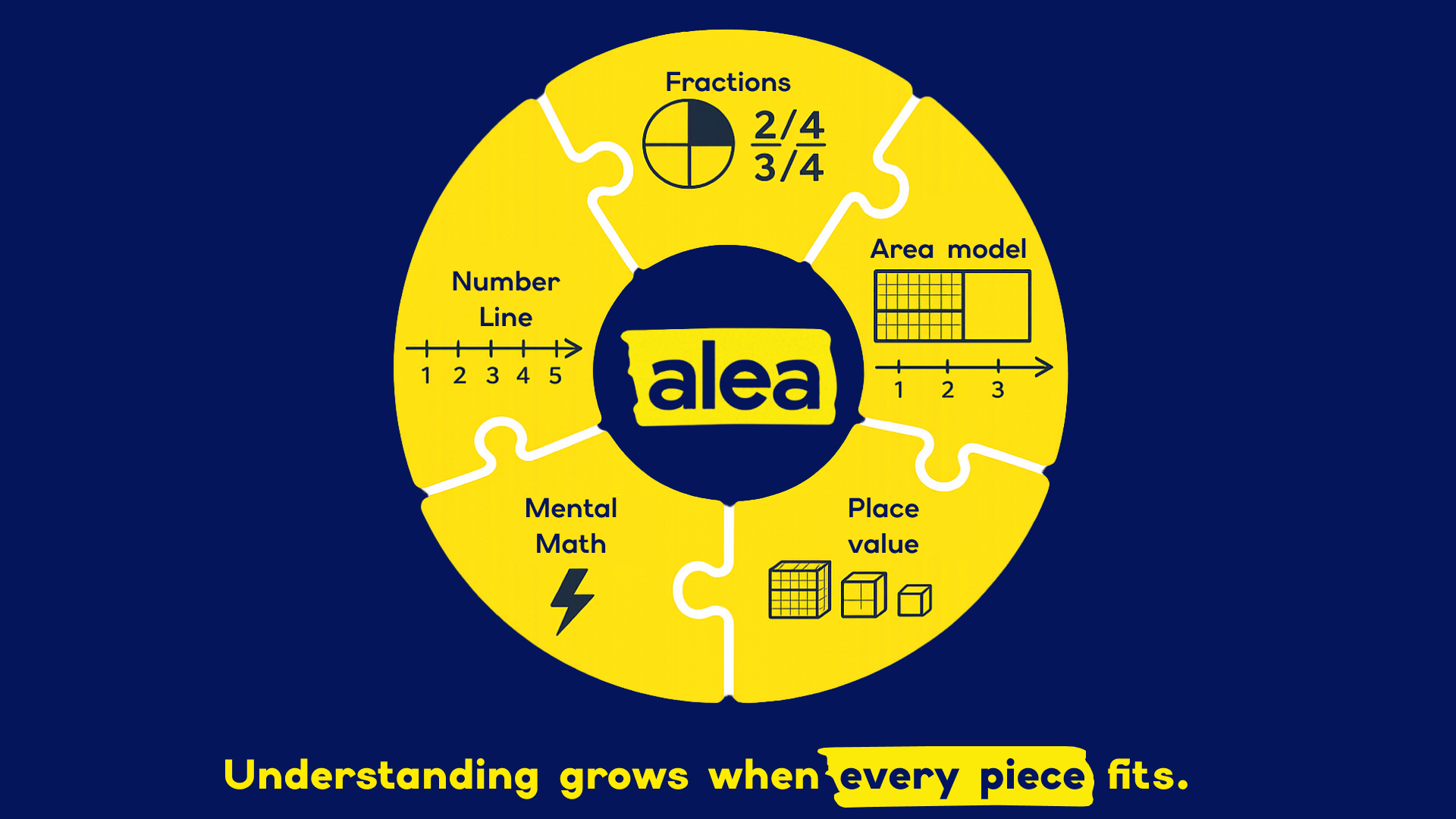
Common Core math tries to build the understanding first, and the procedure second. That's why you'll see things like number lines, base ten blocks, and "break the number apart" strategies before a kid ever gets to the standard column addition or subtraction you probably learned. It's not math for math's sake, the idea is that a kid who understands why 47 can be broken into 40 and 7 will have an easier time later with algebra, because they actually understand what a number represents, not just how to move digits around.
Whether this approach delivers on that promise is genuinely debated, plenty of parents and some educators think the added steps make simple problems needlessly confusing, especially early on. That's a fair critique. But since it's what's actually being taught in most classrooms right now, it helps to understand what your kid is doing rather than fight it.
The methods you'll actually run into
Number bonds. Breaking a number into parts that add up to it. 8 becomes 5 and 3, or 6 and 2. This shows up constantly in early grades and it's building toward mental math, being able to add 47 and 8 by breaking 8 into 3 and 5, adding 3 to get to 50, then adding the remaining 5.
The area model for multiplication. Instead of the standard stacked multiplication, kids break numbers into tens and ones and multiply each piece separately, then add the results. It looks like more steps than the way you learned it, and it is, but it's showing the actual math behind why the standard method works.
Number lines for subtraction. Rather than borrowing, kids count up or back along a number line in chunks. It's slower on paper but it builds a much stronger sense of distance between numbers.
None of these methods are wrong, and none of them are the "only" way. Most curricula eventually connect back to the standard algorithm you learned, these earlier methods are a bridge, not a replacement.
How to actually help, without making it worse
Don't teach the old way instead. It's tempting, especially if your kid is frustrated, to just show them how you learned to do it. Resist that if you can. It's not that your way is wrong, it's that it can genuinely confuse a kid who's midway through building the number sense their teacher is working toward, and it can also put them in an awkward spot if their teacher wants to see the newer method on homework or a test.
Ask them to explain their homework to you, even the parts you don't understand. This sounds backwards, but having your kid walk you through why a step works, not just what the step is, does more for their understanding than you explaining it to them. If they can't explain it, that's useful information, it usually means they're following steps without understanding them yet, which is worth flagging to their teacher.
Use the vocabulary they're using. If their worksheet says "decompose," use that word instead of "break apart," even though they mean the same thing. Kids get thrown off by a strategy they know under a different name.
Find the actual standard for their grade. Every state publishes its math standards online, and they're more specific than you'd expect, right down to what a third grader is expected to know about multiplication by the end of the year. Looking up the actual standard for what your kid is working on tells you exactly what the goal is, rather than guessing from a confusing worksheet.
Know when to step back. If a homework session has turned into tears, either your kid's or yours, stop. A frustrated 20 minutes rarely produces more learning than a calm 10 minutes the next day. Math anxiety compounds if home becomes another place where math feels stressful.
When it's more than just a strange new method
Sometimes what looks like "this is just how they teach it now" is actually a sign your kid is genuinely stuck on the underlying concept, not just the presentation of it. If they're consistently unable to explain their own reasoning, if the confusion has lasted for weeks rather than a single hard topic, or if math homework has become a dread-inducing nightly event, that's worth a conversation with their teacher rather than more at-home practice. The methods are unfamiliar to most parents, but that unfamiliarity is a different problem than a kid who's actually behind, and it's worth telling the two apart before deciding what kind of help actually makes sense.
Built around youyou, not the curriculum.
Start with a free placement and feel the difference a tutor that adapts to you actually makes.